

01
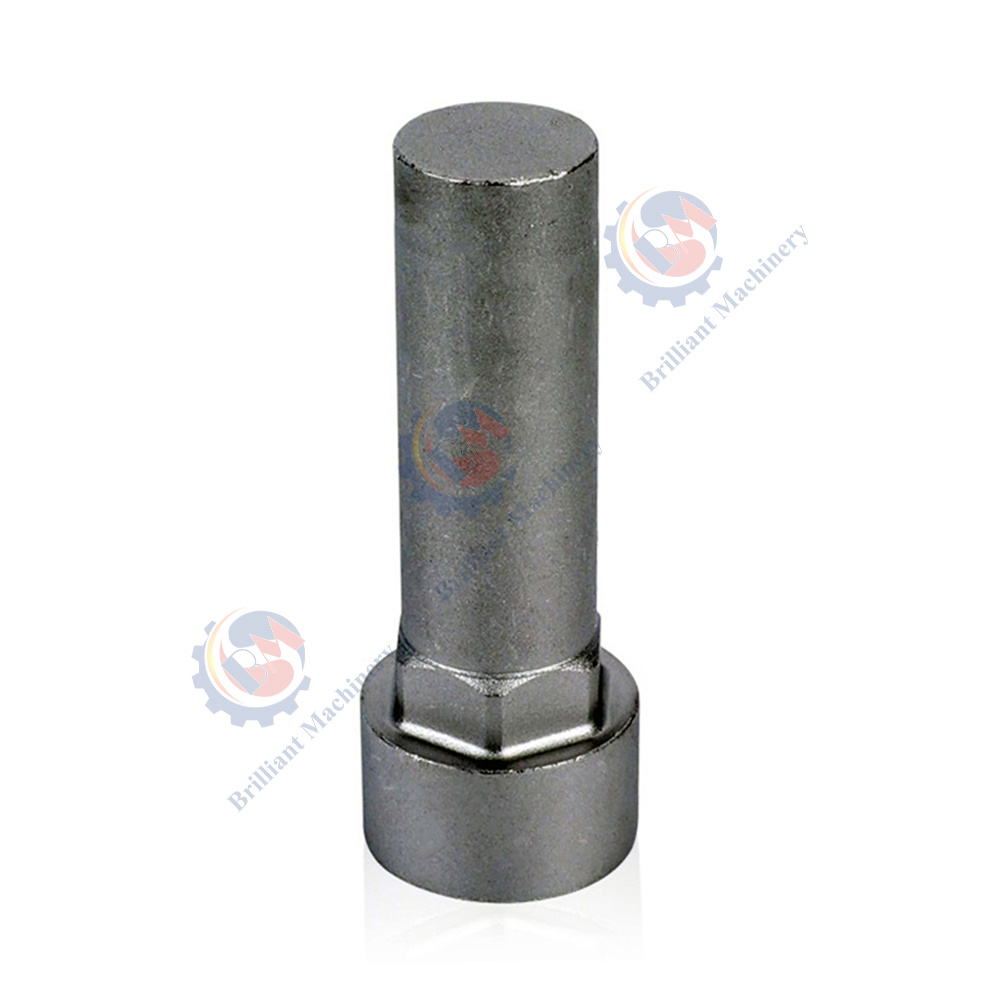
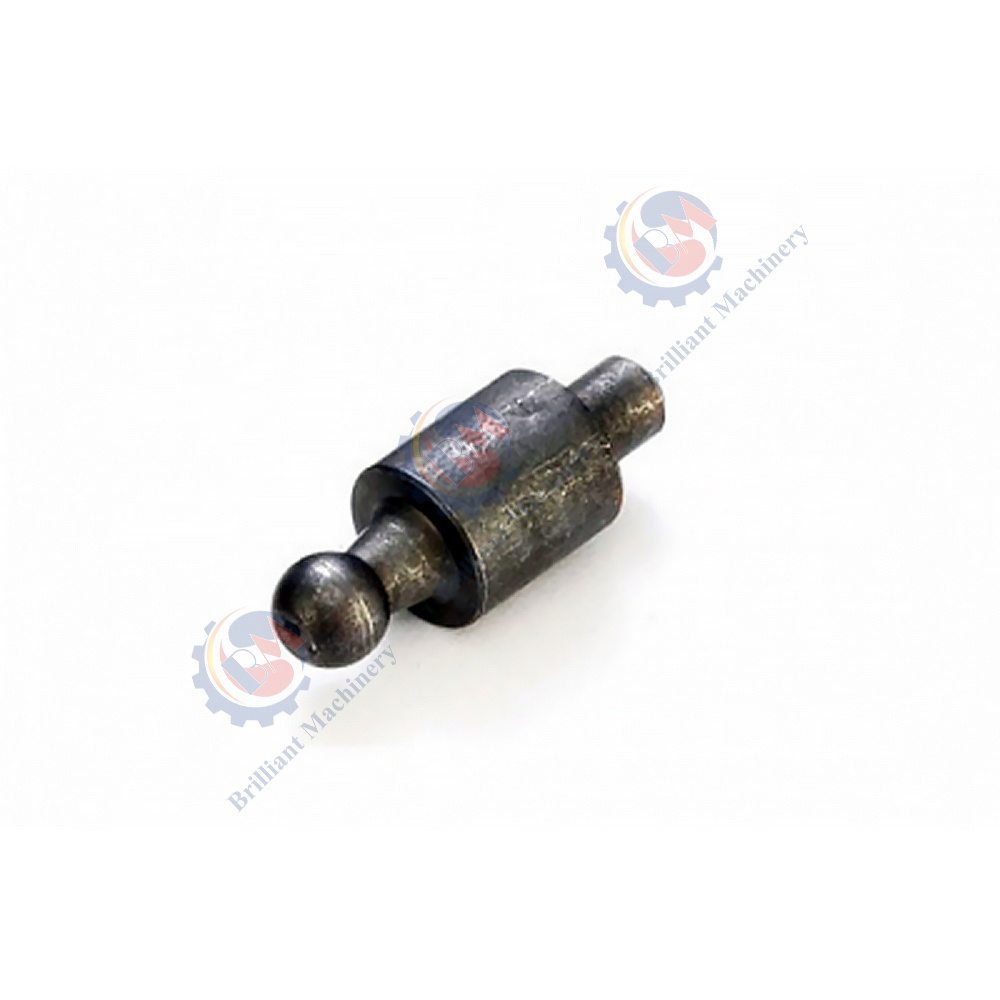
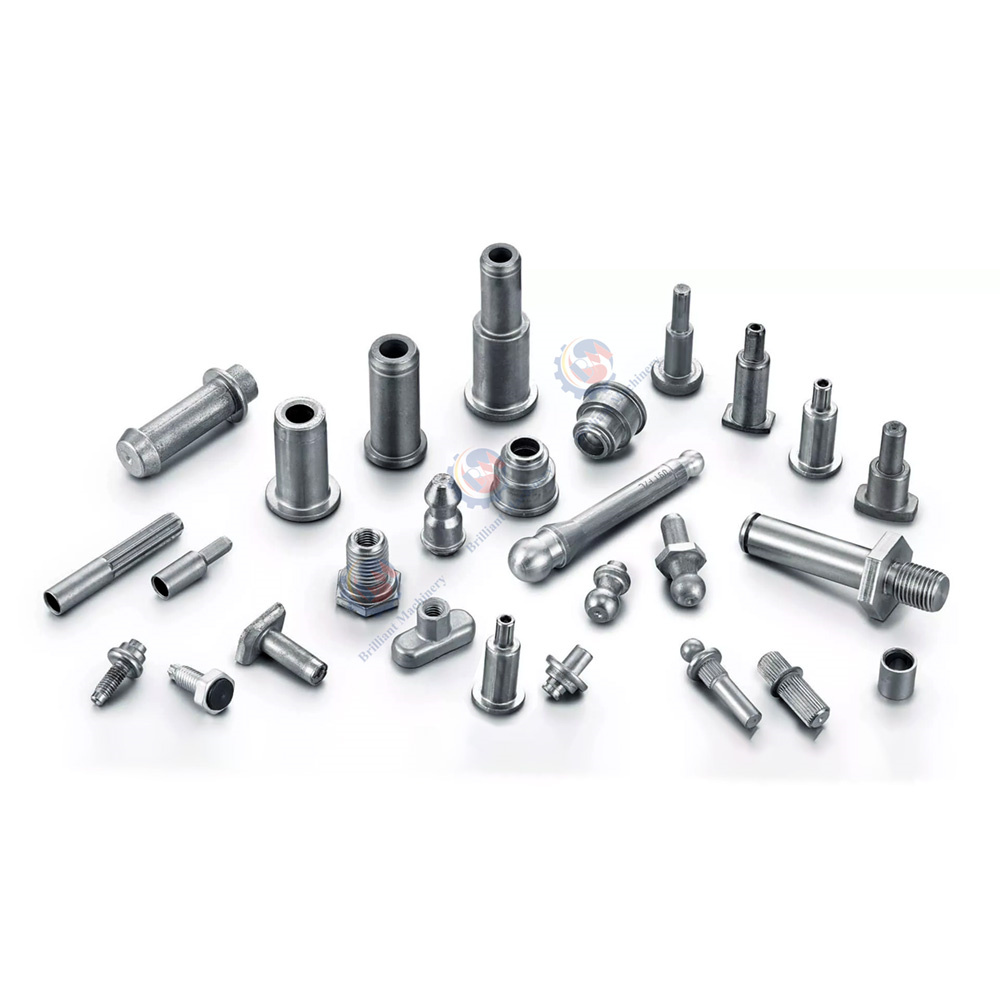
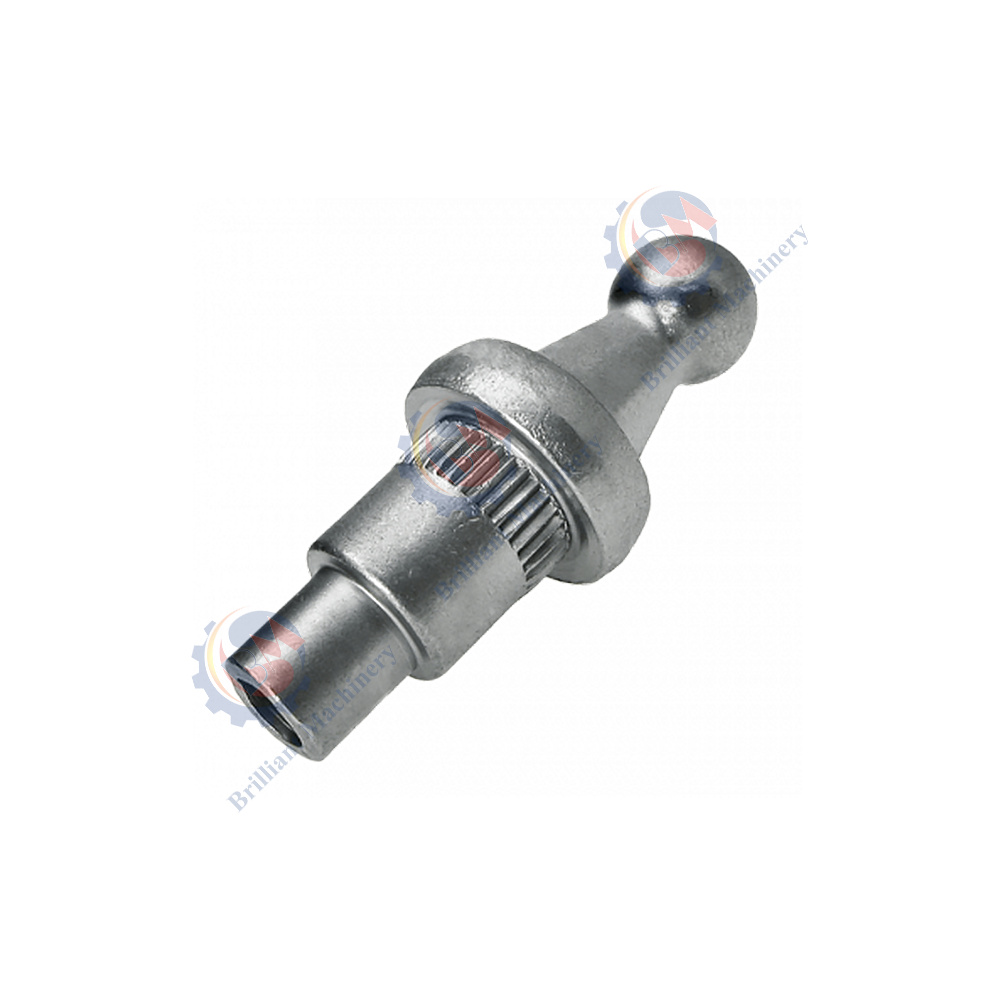
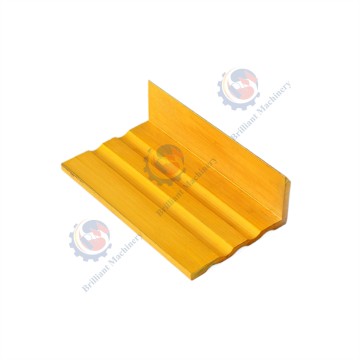
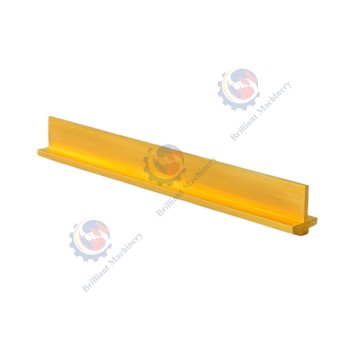
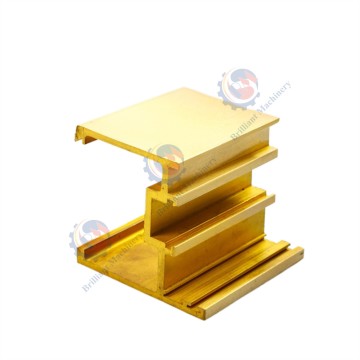
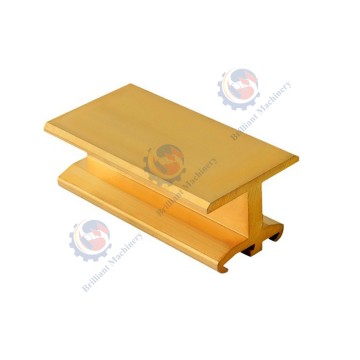
Cold-forged or Cold-extruded Sheath Blanks
Material
Sheath blanks typically consist of materials that have a satisfactory amount of durability, corrosion, and strength. Such materials of daily usage include:
• Carbon Steel: This steel is well-known for its hardenability and durability and is extensively being used in everyday usage.
• Stainless Steel: Leaves a great anti-corrosiveness, best for use in extreme environmental exposure, or in chemicals.
• Aluminum Alloys: Light-weight and resistant, sheaths of blank aluminum find usage in cases wherein a reduction in weight is of primary importance.
• Alloy Steel: Alloy steel is preferred naturally owing to its tensile strength and abrasion-resistance in instances which call for greater durability.
Specifications
• Material Types: stainless steel, carbon steel, alloys of aluminum, and alloy steel.
• Dimensions: Customizable diameter and custom lengths for integration in end-use applications.
• Surface Finish: Smooth textured surface depending on end usage
• Tolerance: Typically produced in close tolerance for a guaranteed fit in mass production lines
• Hardness: Ranges between 30 HRC and 55 HRC, depending on post-process treatment and material.
Production Processes
Cold-forging and cold-extrusion are the major manufacturing methods of sheath blanks. The steps of these manufacturing processes are:
1. Cold Forging: The process involves room temperature pressurized forces in sheaths forming of blanks. The material is enhanced in its mechanical properties, stronger and of enhanced surface quality.
2. Cold Extrusion: The material is forced through a die in an attempt to create a desired shape. This is a highly effective process, producing great dimensional tolerance and minimal material waste.
3. Secondary Machining: Secondary machining is a process wherein sheath blanks undergo cutting, for instance, or a process of turning in a bid to shape it exactly and have it in ideal shape for its end size.
Quality Test and Inspection
Each batch of sheaths is examined stringently in an attempt to achieve levels of excellence.
• Dimensional Inspection: The diameter, diameter, and wall thickness of the blank is inspected meticulously so it can meet requirements.
• Hardness Testing: The material is hard tested in a effort to legitimize its durability and its capability of being able to meet industry standard.
• Visual Inspection: The sheaths blank is inspected for defects in the shape of cracks, dents, or blemish on its face, which may have an impact on functionality, as well as on cosmetic appeal, of the end-product.
• Tensile and Yield Tests for Strength: The material is guaranteed for its non-collapse under operation stress.
Key Features
• High Strength-to-Weight Ratio: The cold-extrusion and cold-forging process assists in manufacturing sheath blanks that combine strength with a lightweight material.
• Precision and Uniformity: The process can provide narrow tolerance and uniformity in mass production of large batch.
• Durability: The materials of sheaths chosen for sheath blanks provide durability in resisting abrasion, corrosion, and unfavorable environmental influences, which provide lasting performance.
• Cost Efficiency: The cold-forming process is cost-efficient, minimizing material loss, unlike other manufacturing processes.
• Surface Finish: The process yields a fine finish which is in minimal post-processing.
Industry Applications
Cold-forged or cold-extruded sheath blanks find usage in a wide range of industries:
• Automotive: For body, engine, and exhaust system protective components.
• Aerospace: Used in those applications which involve an element of severe durability and environmental stress-resistance, for example, aircraft landing gears, among other structural materials.
• Construction and Heavy Equipments: The sheaths of sheath blanks have an application in machinery for hard-duty operation, adding durability along with anti-corrosiveness.
• Electronics: Common application in protective cases for electronics, for which hard-wearing yet lightweight materials must be employed.
Packaging and Storage
Sheath blanks are shipped in protective material in case of breakdown in transit. The protective material may be plastic bag, corrugated box, or bubble bag, depending on quantity and size of order. In a well-ventilation, temperature-controlled place, for best results, it is best to place the blanks away from stress and deformation before usage.
Shipment
Cold-forged and cold-extruded sheath blanks are exported all over the world using secure and capable logistics firms. Shipping options comprise sea, air, and ground, and every order is tracked for timely and secure delivery. The packaging is such that it prevents excessive movement and damage, so it is in ideal shape when it is delivered.