Contact us
Leave Your Message
0%

When it comes to the global metals market, Copper Extruded Shapes are pretty important. You know, these products are essential across a bunch of industries — from building stuff to Electronics. Buyers are on the lookout for reliable suppliers who can consistently deliver top-qualityExtruded Copper Shapes. Honestly, having the right supplier can make all the difference—ensuring things perform well and last long.

Lots of big names like Aurubis and Southern Copper Corporation are leading the charge, offering a wide variety of options tailored to what customers need. But here's the thing—not every supplier is created equal. It’s really up to buyers to do their homework and find trustworthy partners. Making sure the quality is spot on is super important, especially when the market’s so competitive.

Even with plenty of options out there, challenges still pop up. Economic ups and downs, supply chain hiccups — they can really throw a wrench in sourcing copper. So, buyers gotta stay alert and flexible. Getting a good handle on the ins and outs of copper materials is key to nailing those projects. Putting a little extra emphasis on quality when choosing Extruded Copper Shapes can lead to much better results. At the end of the day, making informed decisions is what’s gonna set you up for success in sourcing copper products.
Top Copper Extruded Shapes for Global Buyers?

Understanding Copper Extrusion Processes and Techniques

Copper extrusion is a vital process in many industries, producing shapes essential for electrical and construction applications. This technique reshapes copper by forcing it through a die, creating various profiles like bars, tubes, and sheets. According to a recent industry report, the global copper extrusion market is expected to grow by 4.3% annually. This growth highlights the increasing demand for Copper Extruded Shapes.

Understanding the nuances of the extrusion process is crucial. A precise control of temperature and pressure affects the final product's properties. The mechanics of work-hardening during extrusion can lead to challenges. Inconsistent quality and defects may arise from improper parameters. Proper training and quality control measures are essential in mitigating these issues.

Tip: Always conduct a thorough inspection of extruded shapes. Look for signs of surface defects or inconsistencies in dimension. These can indicate underlying problems in the process.

The choice of alloy also influences the properties of Copper Extruded Shapes. Different alloys offer varying levels of strength, ductility, and corrosion resistance. Buyers should evaluate their specific needs carefully, considering both performance and cost. Balancing these factors ensures optimal results in applications, whether in electronics or piping systems.

Common Applications of Copper Extruded Shapes in Various Industries

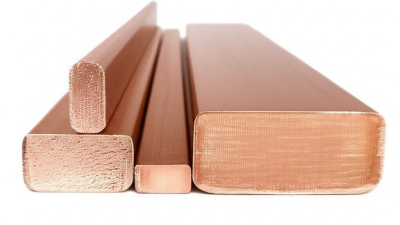
Copper extruded shapes play a vital role in various industries. Their applications range from electrical components to architectural features. In construction, copper's durability and aesthetic appeal make it ideal for roofing and gutters. Architects appreciate copper's flexible nature, allowing for intricate designs. Complex Copper Extrusion Shapes are commonly used in these projects, enhancing both functionality and style.

In the electrical sector, copper extrusions are essential for wiring and connectors. Their excellent conductivity ensures efficient energy transmission. The automotive industry also employs copper extrusions in electric vehicles. Here, they are crucial for battery components and motor windings. Each application benefits from the material’s lightweight and strength, providing reliable performance.

Despite the advantages of copper extrusions, challenges remain. For instance, sourcing high-quality materials can be difficult. Variability in manufacturing processes might result in inconsistencies. Buyers must be aware of these issues when selecting suppliers. Keeping these considerations in mind enhances decision-making, ensuring a more successful outcome.

Key Advantages of Using Copper Extruded Shapes for Buyers

Copper extruded shapes are gaining traction among global buyers due to their versatile applications. One key advantage is their exceptional conductivity. Reports indicate that copper is the best conductor of electricity among non-precious metals, with a conductivity rating of 58 MS/m. This property makes it essential for electrical applications and systems. Its efficiency contributes to less energy loss and provides long-term cost savings.

Another critical advantage is corrosion resistance. Copper has a natural ability to resist oxidation and degradation over time. Studies indicate that copper materials can last for over 50 years in many environments. This durability often translates to lower maintenance costs for buyers in construction, electrical, and plumbing industries. Buyers appreciate the longevity, reducing the need for frequent replacements and repairs.

However, the higher initial cost of copper extruded shapes can be a concern. It requires careful consideration by buyers regarding budget allocations. Additionally, sourcing high-quality materials remains a challenge due to market fluctuations. Stakeholders may wrestle with the balance between cost and quality, which requires strategic planning. Choosing reliable suppliers is crucial for ensuring the material meets industry standards and project requirements.

Popular Types of Copper Extruded Shapes Available Globally

When it comes to copper extruded shapes, global buyers have plenty of options. Extruded copper products are essential in many industries. These shapes offer excellent conductivity, malleability, and corrosion resistance. They are widely used for electrical components, plumbing, and heat exchange systems.

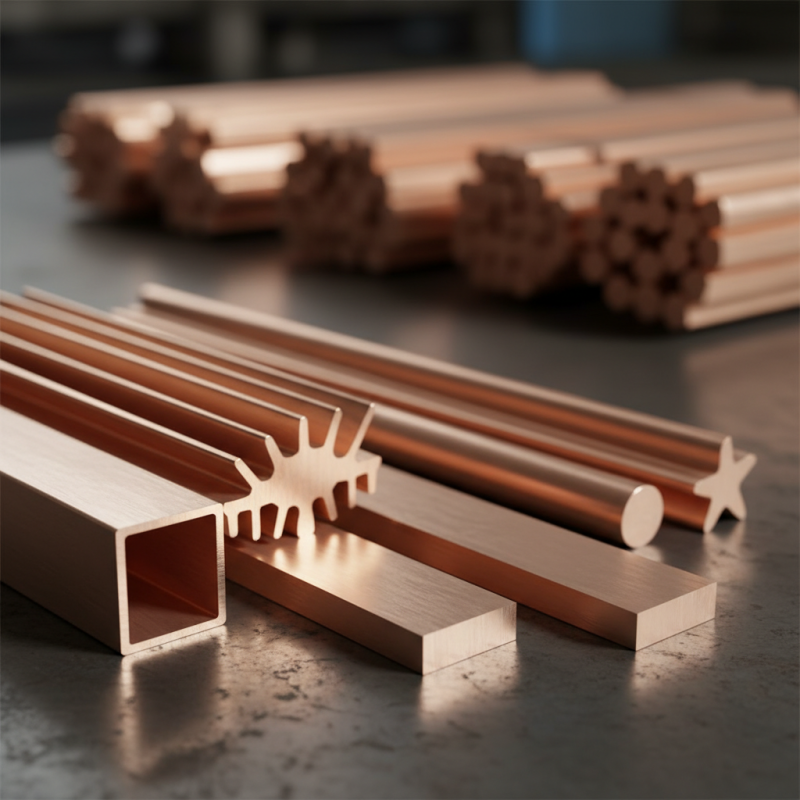
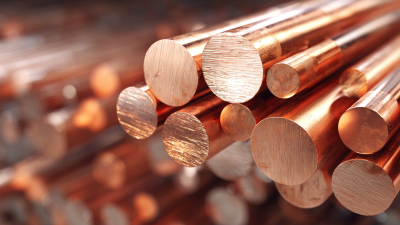
Popular types include copper rods and bars. They are crucial for fabrication and structural applications. Copper sheets and plates are also highly sought after. They are utilized in both decorative and functional capacities. Tubes and pipes are essential in various plumbing systems. Their strength and durability make them reliable.

However, sourcing high-quality copper extruded shapes can be challenging. Not all suppliers meet industry standards. Quality control is critical in ensuring material reliability. Buyers should consider certifications and testing protocols. It is important to verify source integrity. Being informed helps in making better purchasing decisions.

Factors Influencing the Quality of Copper Extruded Products

Quality in copper extruded products hinges on several critical factors. The composition of the copper alloy is pivotal. Industry studies show that a higher purity level often results in enhanced conductivity and strength. For instance, copper with a purity of over 99.9% is preferable in many applications. Impure copper can lead to structural weaknesses and lower performance metrics.

The manufacturing process also significantly influences the final product's quality. Temperature control during extrusion is essential. A study published in the Journal of Materials Science highlights that optimal temperature ranges can improve the mechanical properties of extruded shapes. Deviations from these ranges may result in defects like cracks or unwanted microstructures.

Another aspect to consider is the post-extrusion treatment. This can include processes like annealing, which aids in relieving stress within the material. Research by the Copper Development Association indicates that proper treatment can improve elongation and tensile strength. However, inconsistencies in treatment may lead to variability in product performance, which buyers must be cautious of. Buyers should be aware of these nuances when sourcing copper extrusions for their needs.

Emerging Trends in Copper Extrusion Technology

Top Copper Extruded Shapes for Global Buyers?

Emerging trends in copper extrusion technology reveal significant advancements in precision and efficiency. The industry is increasingly adopting innovative methods to enhance product quality. Newer extrusion processes utilize advanced heat treatment and cooling systems, optimizing the structural integrity of extruded shapes. This leads to stronger, more durable components suited for various applications.

Sustainability has also become a key focus in copper extrusion. Manufacturers are exploring ways to minimize waste and energy consumption during production. Techniques like energy-efficient heating and the reuse of scrap materials are gaining traction. These practices contribute to more eco-friendly operations while still yielding high-quality products.

Moreover, the integration of smart technology is reshaping how extrusion is managed. Through data analytics, manufacturers can monitor processes in real-time, allowing for immediate adjustments. This results in improved efficiency and reduced defects. The rise of Precision Hot Forged Shapes highlights the importance of achieving meticulous standards in this evolving landscape. However, balancing technological advancements with traditional craftsmanship remains a challenge worth reflecting on.

Challenges Faced by Buyers in Sourcing Copper Extruded Shapes

Top Copper Extruded Shapes for Global Buyers?

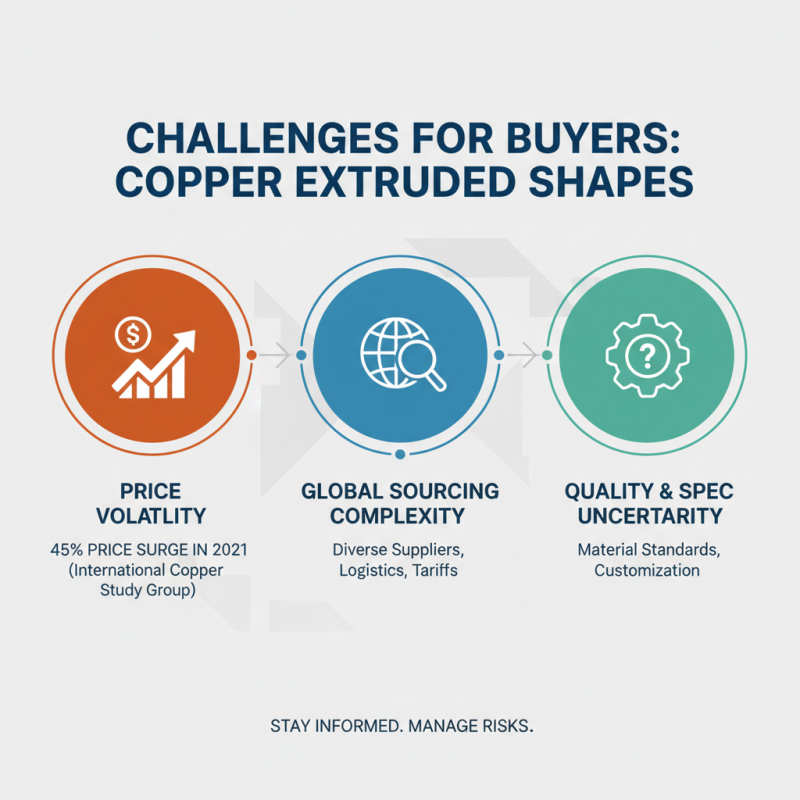
Sourcing copper extruded shapes presents several challenges for global buyers. Fluctuating prices pose one significant hurdle. The price of copper can fluctuate dramatically, impacting procurement costs. According to the International Copper Study Group, prices surged by 45% in 2021 alone. Buyers must stay updated on market trends to manage costs effectively.

Supply chain disruptions also affect sourcing. Recent reports indicate delays in shipments and reduced availability, leading to increased lead times. Buyers often find themselves scrambling to meet deadlines. This unpredictability tests their ability to maintain inventory levels. Additionally, sourcing Heavy Duty Hot Forged Shapes demands careful consideration of material quality. Inferior materials can lead to structural failures—an unacceptable risk.

Furthermore, compliance with international regulations complicates procurement processes. Buyers must navigate various quality standards across different regions. This added layer of complexity makes sourcing more challenging. Understanding local and international compliance requirements is crucial. This ensures that the sourced products meet safety and quality expectations. The journey of sourcing copper extruded shapes is fraught with hurdles that require insight, adaptability, and a thorough understanding of market dynamics.

FAQS

: What are some common applications of copper extruded shapes?

: Copper extruded shapes are used in electrical components, construction, and automotive sectors. They are vital for roofing, wiring, and batteries.

What is a key advantage of using copper in electrical applications?

Copper has exceptional conductivity, making it efficient for energy transmission. Its low energy loss can lead to cost savings.

How long can copper materials last in various environments?

Copper can resist oxidation and degradation, often lasting over 50 years in many applications, reducing maintenance needs.

What challenges do buyers face when sourcing copper extrusions?

Buyers often face high initial costs and fluctuations in material quality. Finding reliable suppliers is essential to mitigate these issues.

How does the composition of copper affect its quality?

Higher purity levels in copper alloys enhance conductivity and strength. Impurities can weaken the material and impact performance.

Why is temperature control important during extrusion?

Maintaining optimal temperature during the manufacturing process improves mechanical properties. Deviations can cause defects in the extruded shapes.

What role does post-extrusion treatment play in product quality?

Treatment processes like annealing can improve material properties. Inconsistencies may lead to variability, impacting performance reliability.

What is a concerning aspect about the cost of copper extrusions?

The initial higher costs can challenge budget considerations. Buyers must weigh the long-term benefits against the upfront investment.

What makes copper a preferred choice for architectural features?

Copper's durability and aesthetic appeal allow for intricate designs in construction. Its flexibility makes it easier for architects to work with.

What factors contribute to the variability in copper extruded products?

Variability can arise from material composition, manufacturing processes, and post-extrusion treatment methods, all affecting performance.

Conclusion

Copper extruded shapes are essential components across various industries, offering numerous benefits due to their versatility and durability. Understanding the copper extrusion process and the techniques involved helps buyers appreciate the applications of these shapes, which range from electrical fittings to architectural elements. The key advantages of using copper extruded shapes include excellent conductivity, corrosion resistance, and ease of fabrication, making them ideal for a wide array of applications.

In addition to the popular types of copper extruded shapes available globally, it is crucial to consider factors that influence their quality, such as alloy composition and manufacturing practices. As technology advances, emerging trends in copper extrusion continue to shape the market, presenting both opportunities and challenges for buyers sourcing these products. By staying informed about these aspects, global buyers can make better decisions regarding the procurement of copper extruded shapes that meet their specific needs.
Liam

Liam

Liam is a dedicated marketing professional at Shaanxi Brilliant Machinery Co., Ltd., where he plays a pivotal role in promoting the company's vision of becoming a global benchmark for manufacturing excellence. With a deep understanding of the mechanical parts industry, Liam is committed to......
Previous Top 10 China High Quality Copper Extrusion Parts Manufacturers to Know?